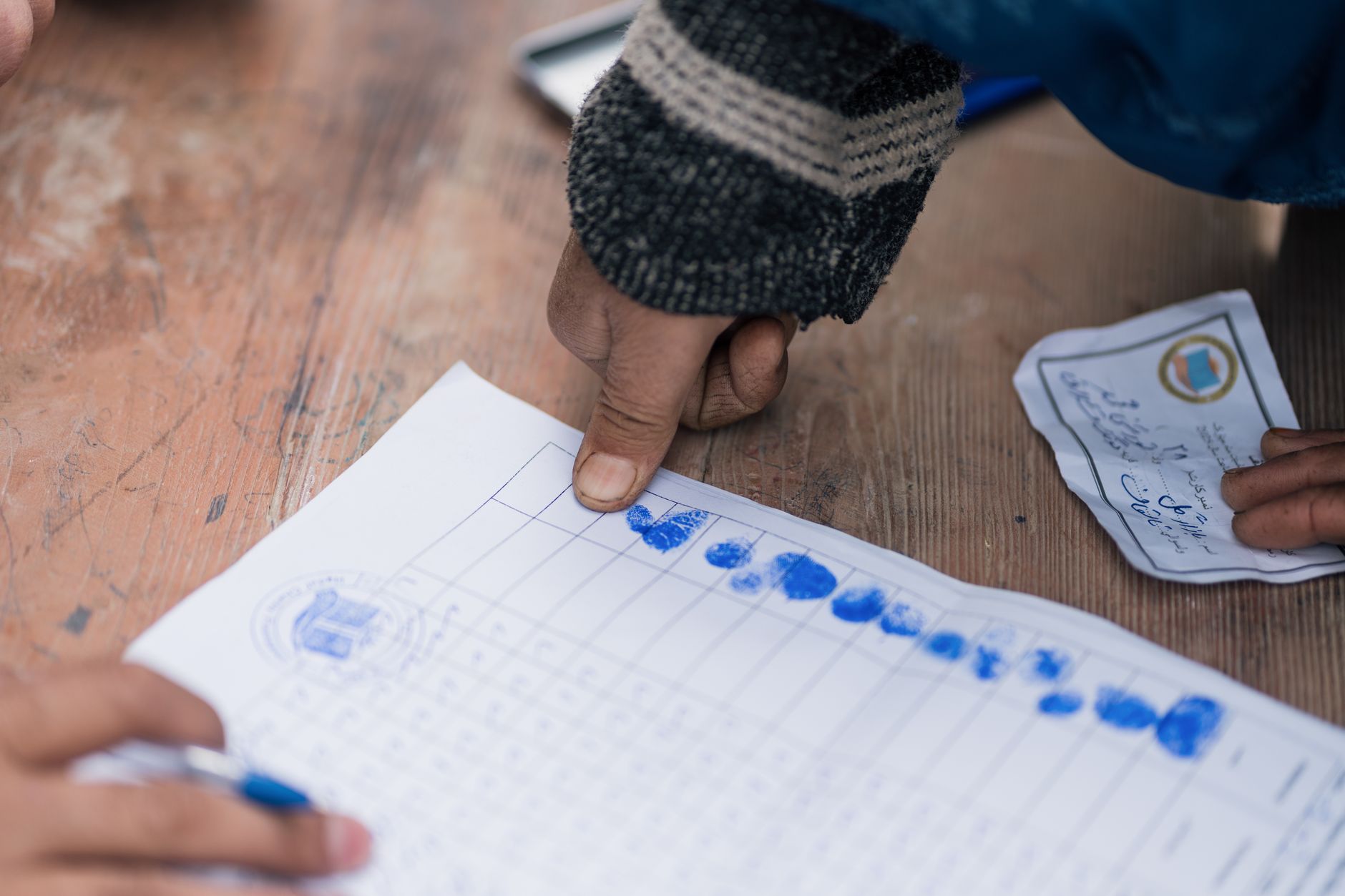
Rajasthan Panchayat election results show the outcomes of the recent elections, highlighting the winners of zila parishad, panchayat samiti, and sarpanch positions.
Overview of Rajasthan Panchayat Elections
The Rajasthan Panchayat election results have become a focal point of interest as voters eagerly await the outcomes. These elections, which are conducted at multiple levels, including zila parishad, panchayat samiti, and sarpanch positions, serve as a critical barometer of local governance and political sentiment in the state.
In 2026, the results of the Rajasthan Panchayat elections revealed significant insights into the preferences of the electorate. The elections witnessed intense campaigning and strategic alliances, reflecting the dynamic political landscape of Rajasthan. Key parties have emerged as frontrunners, showcasing their strengths in various districts.
As the results are tallied, the following aspects are noteworthy:
- Voter Turnout: High participation rates indicate robust interest in local governance.
- Dominant Parties: Certain parties have made substantial gains, suggesting a shift in voter loyalty.
- Community Engagement: Local issues played a pivotal role in shaping candidate selections.
In summary, the Rajasthan Panchayat election results provide valuable insights into regional governance and the evolving political dynamics within the state.
Key Highlights from the Results
The recent Rajasthan Panchayat election results have revealed several key highlights that are crucial for understanding the current political landscape in the state. As the votes were counted, a few prominent trends emerged that reflect the voters’ preferences.
- Increased Turnout: Voter participation was notably higher this year compared to previous elections, indicating a growing interest in local governance.
- Dominance of Regional Parties: Several regional parties have emerged as significant players, securing a majority in various zila parishads and panchayat samitis.
- Women Representation: The results show a remarkable increase in women candidates winning in the sarpanch elections, highlighting the emphasis on gender equality in local governance.
- Geographical Trends: Certain districts showcased a clear preference for specific parties, which may influence future state elections.
- Coalition Possibilities: With no single party achieving an outright majority in some regions, potential coalitions are on the horizon, setting the stage for intriguing political negotiations.
These highlights from the Rajasthan Panchayat election results provide valuable insights into the evolving dynamics of local governance in the state.
Winners of Zila Parishad Positions
The recently concluded Rajasthan Panchayat election results have brought significant changes to the political landscape, particularly in the Zila Parishad positions. In various districts, candidates from different parties have emerged victorious, marking a shift in local governance.
- Jaipur District: The Zila Parishad seat was won by Rajesh Kumar from the Congress party, who campaigned on a platform of rural development and education reforms.
- Ajmer District: Suman Devi of the BJP secured the position, promising to enhance infrastructure and health services in the region.
- Jodhpur District: The independent candidate Manoj Singh triumphed, focusing on issues like water scarcity and employment generation.
- Udaipur District: Deepa Sharma, representing the Indian National Congress, won by a landslide, advocating for women’s empowerment and agricultural support.
These results indicate a dynamic shift in voter preferences and underscore the importance of local governance in addressing community needs. As the Rajasthan Panchayat election results continue to unfold, the focus will be on how these winners implement their promised initiatives.
Panchayat Samiti Election Outcomes
The recent Rajasthan Panchayat election results have revealed significant outcomes for the Panchayat Samiti positions across various districts. The elections, held to establish local governance, showcased a vigorous competition among candidates, reflecting the political dynamics within the state.
In several key areas, the performance of the dominant parties was noteworthy. Here are some of the key outcomes:
- Jaipur District: The ruling party secured a majority, winning 10 out of 15 seats, indicating strong local support.
- Ajmer District: An independent candidate emerged as a surprise winner, taking 4 seats, highlighting a shift in voter sentiment.
- Udaipur District: The opposition party managed to clinch 6 out of 12 seats, while the ruling party captured the remaining.
Overall, the Panchayat Samiti election outcomes are expected to have a profound impact on local governance, shaping policies and development initiatives in the coming years. As the results are tallied, the focus will shift to how these elected representatives will address the pressing issues faced by their constituencies.
Sarpanch Winners Across Districts
The Rajasthan Panchayat election results have revealed a diverse array of winners in the role of Sarpanch across various districts. These local leaders play a crucial role in grassroots governance, making their election outcomes significant for the communities they represent.
In the recent elections, several candidates stood out for their exceptional performance, reflecting the voters’ trust and expectations. Here are some notable Sarpanch winners from different districts:
- Jaipur District: Ramesh Sharma – Known for his community service initiatives.
- Jodhpur District: Sunita Devi – Advocated for women’s empowerment.
- Udaipur District: Rajendra Singh – Focused on rural development and education.
- Ajmer District: Sita Rani – Promoted health and sanitation projects.
- Bikaner District: Krishna Lal – Emphasized agricultural reforms.
These results not only highlight the proven winners in the Rajasthan Panchayat election results but also reflect the changing political landscape at the local level.
Voter Turnout and Participation
The Rajasthan Panchayat election results have once again highlighted the importance of voter turnout in local governance. This year, the participation rate was notably high, with many districts reporting over 70% voter engagement. This surge in turnout reflects the electorate’s growing awareness of the impact that local elections have on their communities.
Several factors contributed to this impressive turnout, including:
- Increased awareness campaigns: Local organizations and political parties mobilized efforts to educate voters about the importance of their participation.
- Accessible polling stations: The state government ensured that polling stations were easily accessible, particularly in rural areas.
- Community engagement: Local leaders encouraged their communities to participate, fostering a sense of responsibility among voters.
As the results of the Rajasthan Panchayat elections are analyzed, it becomes clear that higher voter participation not only strengthens democracy but also empowers citizens to advocate for their needs. The successful candidates will need to focus on addressing the issues raised by their constituents during the campaign, ensuring that the momentum of civic engagement continues beyond the elections.
Future Implications of the Results
The recent Rajasthan Panchayat election results have significant implications for the political landscape of the state. As various parties analyze their performances, the outcomes may influence future electoral strategies and alliances. With numerous new faces emerging as leaders, these elections could reshape local governance dynamics.
Key implications of the results include:
- Strengthening of Local Governance: The success of specific candidates highlights the importance of grassroots leadership and community engagement.
- Impact on State Politics: The results may serve as a barometer for the upcoming state and national elections, indicating shifts in voter sentiment.
- Party Strategies: Political parties will likely reassess their strategies and focus areas based on the performance of their candidates in the Rajasthan Panchayat election results.
- Younger Leaders: The emergence of younger and more dynamic leaders suggests a potential rejuvenation of political discourse in rural areas.
As the dust settles on the elections, observers will be keen to see how these implications unfold in the coming months, shaping the future of governance in Rajasthan.
Photo by Faruk Tokluoğlu on Pexels
Where this came from
You might also like
ESIC Patna Recruitment 2026: Easy Steps to Apply Now · DNH DD Recruitment 2026: Easy Steps to Apply for Jobs · Karnataka NEET PG Admission 2026: Easy Steps for Round 2 Counselling